What Is Probate?
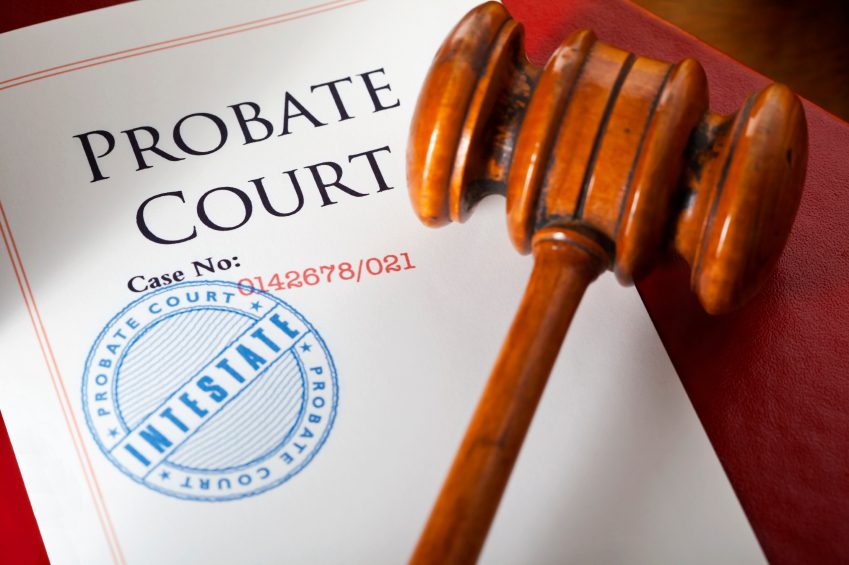
Probate is a process in which a deceased's will (where there is one) is submitted to the probate court and the assets and property are administered following his/her death.
The process of “probating” (or “administering”) the estate of a deceased generally includes collecting all assets of the estate, inventorying and appraising those assets, assembling and either paying or negotiating the deceased’s appropriate debts, determining, preparing, and filing appropriate income and estate taxes and real estate filings, and finally distributing any remaining assets in accordance with the will or the laws of intestacy (if there is no will) to beneficiaries and closing the estate.
What Is Trust Administration?
Trust administration is the process where assets held in a trust are administered following the death or incapacity of the “settlor(s)” (aka trustor(s)/grantor(s)) who set up the trust in the first place. The most common type of trust that we come across is the “living” trust, which is established by a person or married couple during their lifetime(s) to avoid probate (and sometimes to avoid taxes). The process can take anywhere from a few weeks to a few years or many years, depending on the size of the trust and the terms of the trust. The process can also include advice on the handling of non-trust assets such as life insurance, retirement plans, etc.
Maintenance of a Living Trust
While the settlor(s) are still alive, there is little or nothing to do with the trust—apart from keeping it updated or amended in case of changed circumstances.